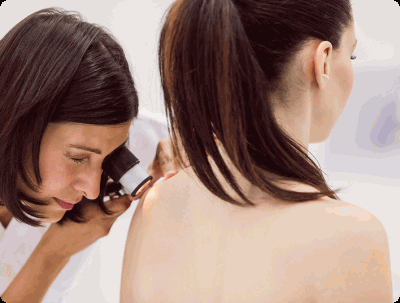
Breast cancer is the most commonly diagnosed cancer among Australian women, with one in seven women diagnosed in their lifetime. However, thanks to effective awareness campaigns and regular screening programs, breast cancer survival rates have significantly improved. Early detection remains the most powerful tool women have for beating breast cancer, making understanding your screening options crucial.

Breast cancer is the most commonly diagnosed cancer among Australian women, with one in seven women diagnosed in their lifetime. However, thanks to effective awareness campaigns and regular screening programs, breast cancer survival rates have significantly improved. Early detection remains the most powerful tool women have for beating breast cancer, making understanding your screening options crucial.
In this article, we explore Australia's breast cancer screening guidelines, symptoms to watch for, the latest advancements in early detection, and what to do when breast cancer impacts your daily life, work, or studies.
Early detection saves lives. When breast cancer is diagnosed early, treatment is significantly more successful, with survival rates exceeding 90%. Regular screenings and breast self-awareness are essential for early diagnosis, giving Australian women the best chance of a positive outcome.
Although regular screening is vital, knowing the signs of breast cancer is equally important. Early symptoms can include:
A lump or thickening in the breast or underarm area
Changes in breast size, shape, or appearance
Dimpling or puckering of the breast skin
Changes to the nipple (e.g., redness, scaling, inversion)
Unusual nipple discharge or bleeding
Persistent breast pain
If you experience any of these symptoms, consult your GP without delay.
BreastScreen Australia, a government-funded program, provides free mammogram screenings for women aged 50-74 every two years, though women aged 40-49 or over 74 may also access screenings on request.
Recommendations:
Age 50-74: Routine mammograms every two years.
Age 40-49 & 75+: Optional screenings available based on individual circumstances, personal risk factors, or family history.
Early and regular screening significantly increases chances for successful treatment.
Exciting advancements in breast cancer detection continue to improve early diagnosis and treatment outcomes:
3D Mammography (Tomosynthesis): Provides clearer, detailed images, detecting cancers at an earlier, more treatable stage.
Artificial Intelligence (AI): AI-driven technology aids radiologists in identifying early-stage cancer with increased accuracy.
Personalised Screening: Future approaches involve personalised screening schedules based on individual genetic risk factors, potentially transforming breast cancer prevention.
These advancements ensure Australian women will continue to benefit from state-of-the-art care and improved outcomes.
A breast cancer diagnosis, treatment appointments, or symptoms can significantly impact your daily routine, work commitments, or educational responsibilities. In such situations, Australian women can access medical certificates (doctor’s sick notes) quickly and conveniently through Doctors Note.
Doctors Note makes obtaining your medical certificate straightforward—simply complete our online form, and our qualified Australian doctors will promptly review and issue your certificate. There's no need for an online consultation or telehealth appointment, making the process hassle-free during an already challenging time.
Accessing support services is essential when managing breast cancer. Helpful Australian resources include:
Knowledge, awareness, and regular screening empower women to proactively manage their breast health. Early detection, combined with innovative screening technologies and accessible healthcare resources like medical certificates, ensure women remain supported at every stage of their breast cancer journey.
If breast cancer symptoms, treatments, or appointments impact your work or studies, quickly request your Doctor's Sick Note through the easy-to-use online form at Doctors Note today.
The information provided in this article is for general informational purposes only and does not constitute professional, legal, or financial advice. All information is provided in good faith and we make no representation or warranty of any kind, express or implied, regarding the accuracy or completeness of any information mentioned.