Melanoma in Australia: Prevention, Early Detection & Latest Treatments | Medical Certificate for Work

Australia has the highest melanoma rates in the world, with approximately one Australian diagnosed every 30 minutes. Although melanoma accounts for only 1-2% of all skin cancers, it is responsible for 75% of skin cancer-related deaths. However, with early detection, innovative treatments, and public awareness campaigns, survival rates are improving significantly.
This page provides an in-depth look at melanoma in Australia, including prevention, risk factors, early detection methods, and the latest research-backed treatments available in 2024.
More than 17,700 cases of melanoma are diagnosed in Australia each year.
Approximately 1,400 Australians die from melanoma annually.
Melanoma is the most common cancer in Australians aged 20-39.
One in 17 Australians will be diagnosed with melanoma by the age of 85.
Over 90% of melanomas are caused by UV radiation exposure, making it one of the most preventable cancers.
(Source: Melanoma Institute Australia)
Melanoma is a type of skin cancer that originates in melanocytes, the cells responsible for producing pigment (melanin). It can develop anywhere on the body but is most common on sun-exposed areas, such as the face, arms, back, and legs.
Superficial Spreading Melanoma – The most common type, often appearing as an irregular, multi-colored patch.
Nodular Melanoma – A fast-growing and aggressive form that appears as a raised lump.
Lentigo Maligna Melanoma – Develops in sun-damaged skin, typically in older adults.
Acral Lentiginous Melanoma – A rare form that appears on the palms, soles, or under nails.
Early detection is critical, as melanoma can spread rapidly to the lymph nodes and internal organs if untreated.
Opdualag (Nivolumab + Relatlimab) was added to the PBS in February 2024, making it more accessible for Australians with advanced melanoma.
This dual immunotherapy treatment blocks cancer growth and boosts the immune system’s ability to fight melanoma.
This is a life-extending treatment for patients with metastatic or high-risk melanoma.
(Source: RACGP)
Neoadjuvant (pre-surgery) immunotherapy is showing higher cure rates and fewer recurrences in Stage III melanoma patients.
Australian researchers have pioneered this groundbreaking approach, which is expected to become a standard of care worldwide.
(Source: Melanoma Institute Australia)
A new blood test, Melaseq, detects melanoma before it appears on the skin by identifying microRNA patterns in the blood.
97% accuracy in early-stage melanoma detection.
Expected to be available in Australia by 2025, improving early diagnosis and survival rates.
(Source: Herald Sun)
Scientists have discovered peptides derived from tarantulas and horseshoe crabs that can kill melanoma cells resistant to current treatments.
These peptides attack cancer cell membranes without harming healthy cells, offering a potential alternative treatment for advanced melanoma.
(Source: Courier Mail)
Use SPF50+ sunscreen daily (even on cloudy days).
Avoid sun exposure between 10 AM and 4 PM, when UV radiation is strongest.
Wear sun-protective clothing, including wide-brimmed hats and UV-blocking sunglasses.
Avoid tanning beds, as they increase melanoma risk by 75%.
Check the UV Index daily and plan outdoor activities accordingly.
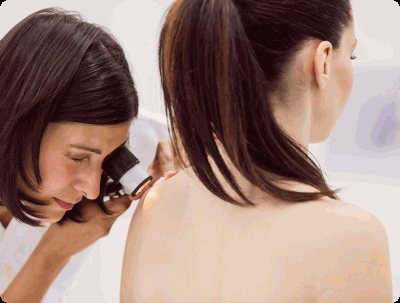
Monitor your skin regularly and seek professional skin checks annually.
Emerging Trend: The "Tan-Line" Danger on Social Media
Recent reports indicate a resurgence of tanning behaviors among young Australians due to social media trends.
Doctors warn that tanning increases melanoma risk, regardless of whether you burn or not.
(Source: Courier Mail)
A – Asymmetry: One half of the mole doesn’t match the other.
B – Border: Irregular or blurred edges.
C – Color: Multiple colors or uneven pigmentation.
D – Diameter: Larger than 6mm.
E – Evolving: Changes in size, shape, color, or texture.
If you notice any changes, see a doctor immediately!
For early-stage melanoma, surgical removal is the primary treatment.
Mohs surgery is used for melanomas on the face or areas where tissue preservation is crucial.
Used for advanced melanoma to boost the immune response against cancer.
Common drugs: Opdualag, Keytruda, Yervoy, BRAF inhibitors.
Used in cases where surgery is not possible or for widespread melanoma.
(Source: Melanoma Institute Australia)
Melanoma is a serious but preventable cancer. With new immunotherapy options, early detection blood tests, and public awareness campaigns, survival rates are improving.
Stay sun-safe.
Check your skin regularly.
Take advantage of the latest medical advancements.
If you need a medical certificate for work due to a melanoma diagnosis or treatment, medcurate.com.au provides fast and reliable online medical documentation.
Further reading : Skin Cancer in Australia: Prevention, Early Detection & Latest Treatments
The information provided in this article is for general informational purposes only and does not constitute professional, legal, or financial advice. All information is provided in good faith and we make no representation or warranty of any kind, express or implied, regarding the accuracy or completeness of any information mentioned. For your safety, call 000 or visit your nearest Medicare Urgent Care Clinic or hospital.