Actinic Keratosis: Causes, Symptoms, Treatment & How to Get an Online Doctor’s Certificate


Actinic keratosis (AK) is a common precancerous skin condition that develops due to prolonged exposure to ultraviolet (UV) radiation from the sun or tanning beds. If left untreated, it can progress to squamous cell carcinoma, a type of skin cancer. Understanding the causes, symptoms, and treatment options can help with early detection and effective management.
Actinic keratosis, also known as solar keratosis, appears as rough, scaly patches on sun-exposed areas such as the face, scalp, hands, and arms. These lesions develop due to long-term sun damage, making prevention and early treatment crucial in reducing the risk of skin cancer.
Actinic keratosis is caused by cumulative exposure to UV radiation, leading to DNA damage in skin cells. Risk factors include:
Excessive sun exposure
Fair skin, light-colored eyes, and blonde or red hair
History of sunburns
A weakened immune system
Older age (50+)
Outdoor occupations (e.g., farmers, construction workers)
The most common signs of actinic keratosis include:
Rough, dry, or scaly patches on the skin ️
Small, flat, or slightly raised bumps that may be red, brown, or pink
Itching, burning, or tenderness
Cracked or crusted skin
These lesions may appear individually or in clusters, often in sun-exposed areas.
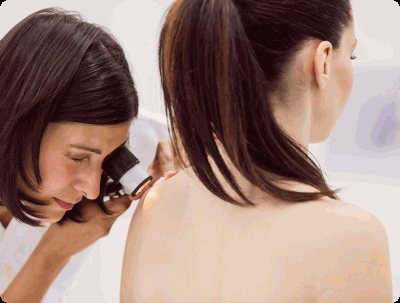
A dermatologist can diagnose actinic keratosis through visual examination and, if necessary, a skin biopsy to rule out skin cancer. Early diagnosis allows for prompt treatment and reduces the risk of progression.
Effective treatments for actinic keratosis include:
5-fluorouracil (5-FU) cream – A chemotherapy cream that destroys abnormal skin cells.
Imiquimod (Aldara, Zyclara) – Boosts the immune system to fight precancerous cells.
Diclofenac gel – A non-steroidal anti-inflammatory that reduces lesion growth.
Liquid nitrogen is used to freeze and destroy abnormal skin cells.
A light-based treatment combined with a special photosensitizing agent.
Helps remove damaged skin layers and promote healthy skin regeneration.
The best way to prevent actinic keratosis is by protecting your skin from UV damage:
Wear sunscreen (SPF 30+) daily ️
Avoid tanning beds
Wear protective clothing, hats, and sunglasses
Seek shade during peak sun hours (10 AM - 4 PM) ⏳
Regular skin checks with a dermatologist
If you need time off for actinic keratosis treatment or skin cancer screenings, you may require a doctor’s note for work or medical leave. MedCurate.com.au for an online doctors certificate provides online doctor certificates quickly and conveniently. Simply consult with a doctor online and receive a valid medical certificate in minutes.
Actinic keratosis is a serious but treatable skin condition that requires early detection and proper management. Protecting your skin from UV exposure and seeking timely treatment can prevent complications like skin cancer.
For more health tips and to get a doctor certificate online, visit MedCurate.com.au today!
Related article : Weight Loss Injections & How a Doctor’s Note Can Help and Skin Cancer in Australia
The information provided in this article is for general informational purposes only and does not constitute professional, legal, or financial advice. All information is provided in good faith and we make no representation or warranty of any kind, express or implied, regarding the accuracy or completeness of any information mentioned. For your safety, call 000 or visit your nearest Medicare Urgent Care Clinic or hospital.